Malignant Hyperthermia
As a medical professional knowing about Malignant Hyperthermia is important to saving lives. Malignant hyperthermia is a severe reaction to particular anesthetic drugs that are often used during surgery and other invasive procedures.

Sx Malignant Hypothermia Malignant Hyperthermia Nursing School Survival Nursing Notes
Im normalen Alltag der Betroffenen treten keine Symptome in Erscheinung.

Malignant hyperthermia. Malignant hyperthermia MH or malignant hyperpyrexia is a rare life-threatening condition that is usually triggered by exposure to certain drugs used for general anaesthesia specifically the volatile anaesthetic agents and succinylcholine a neuromuscular blocking agent. The signs of MH include muscle rigidity rapid heart rate high body temperature muscle. Malignant hyperthermia MH is a pharmacogenetic disease in man and animals.
MH handelt es sich um eine. Malignant hyperthermia is defined in the International Classification of Diseases as a progressive lifethreatening hyperthermic reaction occurring during general anaesthesia. Typischerweise verläuft sie subklinisch dh.
Symptoms include muscle rigidity high fever and a fast heart rate. Calcium homeostasis in muscle cells is upset in susceptible individuals so that various agents and circumstances can inc. MHAUS can help you prepare for an MH emergency manage a crisis and develop your skills to ensure that you are doing the very best you can for your patients.
Malignant hyperthermia MH is a severe reaction to certain gases used during anesthesia andor a muscle relaxant used to temporarily paralyze a person during surgery. Malignant hyperthermia MH manifests clinically as a hypermetabolic crisis when an MH-susceptible MHS individual is exposed to a volatile anesthetic eg halothane isoflurane sevoflurane desflurane or succinylcholine 1-5. Malignant hyperthermia From Wikipedia the free encyclopedia Malignant hyperthermia MH is a type of severe reaction that occurs in response to particular medications used during general anesthesia among those who are susceptible.
There is wide variability in the manner in which malignant hyperthermia may manifest. Signs and symptoms of MH include marked hyperthermia a rapid heart rate rapid breathing acidosis muscle rigidity and breakdown of muscle tissue rhabdomyolysis. Malignant hyperthermia MH is a rare life-threatening pharmacogenetic disorder of skeletal muscles that presents as an exaggerated hypermetabolic response to volatile anesthetic agents and depolarizing muscle relaxants.
Malignant hyperthermia occurs when a patient is given certain types of anesthesia before undergoing surgery or a medical procedure. Bei der malignen Hyperthermie handelt es sich um eine lebensbedrohliche Funktionsstörung der Skelettmuskulatur als Antwortreaktion des Organismus unter Narkose. This topic will discuss the incidence pathophysiology clinical manifestations and acute management of MH.
Malignant Hyperthermia MH is a rare inherited musculoskeletal syndrome that presents as a hypermetabolic reaction triggered by exposure to volatile anesthetic gases eg desflurane enflurane halothane sevoflurane or the depolarizing muscle relaxant succinylcholine. It primarily involves skeletal muscle tissue but other tissues might be affected to a lesser degree. Malignant hyperthermia has an underlying genetic basis and genetically susceptible individuals are at risk of developing malignant hyperthermia if they are exposed to any of the potent inhalational anaesthetics.
Myopathie mit einer gestörten Calciumhomöostase der. The very first cases of malignant hyperthermia MH were reported by several workers on a single page in the Journal of the American Medical Association in 1900 15. For a patient to survive a malignant hyperthermia crisis prompt recognition and treatment is of paramount importance.
Malignant hyperthermia is a rare but very serious syndrome that causes a dangerous reaction to anesthesia. Malignant hyperthermia is an uncommon but potentially lethal condition that may be encountered during the perioperative period. Unexpected fever during anesthesia has been described since the beginning of the twentieth century.
Pathophysiology of malignant hyperthermia. Malignant hyperthermia is defined in the International Classification of Diseases as a progressive life-threatening hyperthermic reaction occurring during general anaesthesia.

Malignant Hyperthermia Perioperative Nursing Malignant Hyperthermia Nurse Anesthetist
Malignant Hyperthermia Malignant Hyperthermia Preventive Measure Anesthesia

Malignant Hyperthermia Nursing School Survival Nursing School Tips Nursing School Notes

Malignant Hyperthermia Malignant Hyperthermia Icu Nursing Nurse Humor

Malignant Hyperthermia Malignant Hyperthermia Preventive Measure Anesthesia

Malignant Hyperthermia Science Notes Anatomy And Physiology Malignant Hyperthermia

E Ective May 2008 Mh Hotline Emergency Therapy For 1 800 644 9737 Surgical Nursing Perioperative Nursing Icu Nursing

Pin On Nursing

Poster Awareness Of Malignant Hyperthermia March Is Malignant Hyperthermia Awareness And Training Malignant Hyperthermia Awareness Family Health History

How Does Malignant Hyperthermia Occur Malignant Hyperthermia Muscular Dystrophies Muscle And Nerve

Malignant Hyperthermia And Dantrolene S Role In The Therapy Malignant Hyperthermia Pharmacology Nursing Nursing Study

Hiperthermia Malignant Hyperthermia Vasodilation Acidosis

Malignant Hyperthermia Malignant Hyperthermia Skeletal Muscle Muscle

Pin On Photos

Malignant Hyperthermia Nursing School Emergency Nursing Nurse Midwife
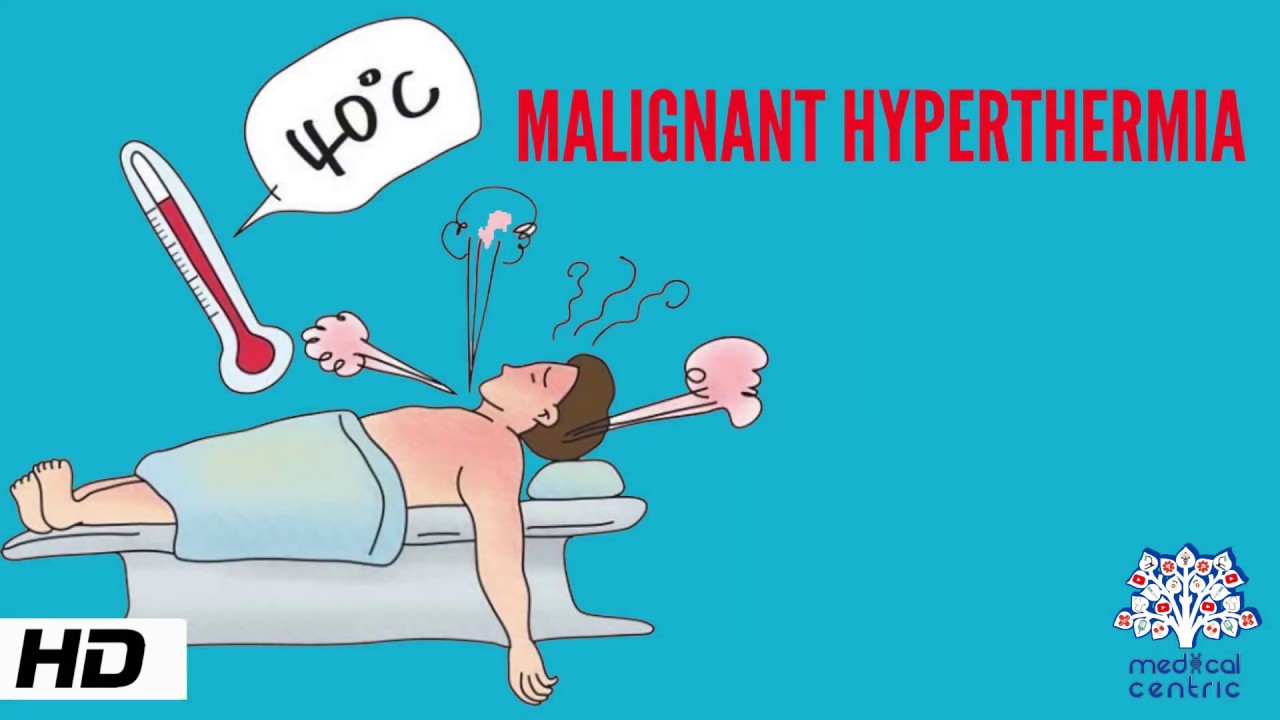
Malignant Hyperthermia Causes Signs And Symptoms Diagnosis And Treatm Malignant Hyperthermia Signs And Symptoms Diagnosis

Malignant Hyperthermia Pathogenesis And Clinical Findings Calgary Guide Malignant Hyperthermia Clinic Medical School Studying

Malignant Hyperthermia Mh Malignant Hyperthermia Writer Jobs Writing Jobs

Poster Awareness Of Malignant Hyperthermia Malignant Hyperthermia Syndrome Malignant Hyperthermia Syndrome Skeletal Muscle

Post a Comment for "Malignant Hyperthermia"